How to Nail Your Paper 1 Conclusion (Even When Time Is Running Out)
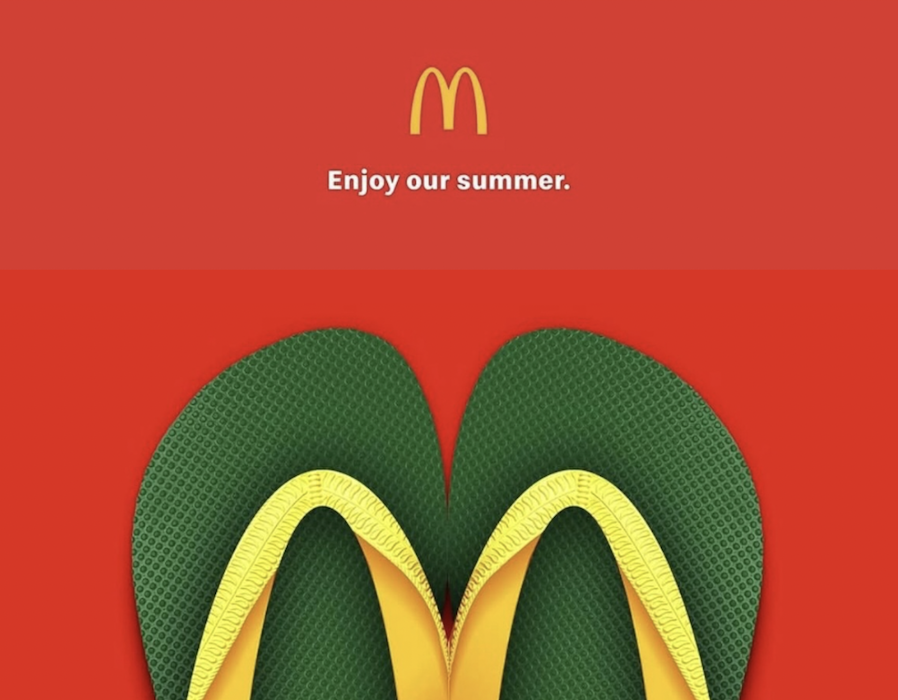
Click here for the full ad campaign.
If you’re an IBDP English A student, you already know that the hardest part of Paper 1 isn’t always the analysis, it’s ending your essay smoothly when the clock is basically attacking you. The good news? You don’t need a long, complicated conclusion. You need a clear, evaluative one. That’s where the “quick conclusion” template comes in.
In Paper 1, examiners are looking for two main things at the end of your essay: (1) a clear judgment about how effective the text is, and (2) a sense that you understand the target audience and purpose. Your conclusion is not the place to repeat every technique you’ve mentioned. Instead, it’s your moment to step back and answer the big question: So what? Did it work? For whom?
Here’s the template:
This text effectively persuades its audience to consider __________ through its use of __________ and __________ by presenting __________ as __________ and __________. However, its emphasis on __________ may dissuade some members of the target audience, particularly __________, who may feel that __________ is not __________ or __________ for them.
Let’s break down how to use it properly. Check out the essay at the end of this blog
Step 1: Be Clear About Purpose
Start by identifying what the text wants the audience to do, think, or feel. Is it persuading them to buy a product? Support a cause? Visit a destination? Change their habits? That goes in the first blank.
For example:
“support renewable energy initiatives”
“purchase the featured skincare product”
“view the brand as innovative and trustworthy”
Step 2: Choose Your Strongest Techniques
Don’t list everything. Pick the two most powerful methods you analysed in your essay, maybe emotive language, statistics, color, structure, imagery, tone, or rhetorical questions. These go in the second and third blanks.
This shows the examiner that your conclusion connects directly to your body paragraphs.
Step 3: Show How the Subject Is Presented
Now explain how the text frames its subject. Is it presented as luxurious and exclusive? Urgent and necessary? Fun and family-friendly? Dangerous and irresponsible? This proves you understand representation.
Step 4: Add a Nuanced Evaluation
Here’s what makes your conclusion stand out: you don’t just say it’s effective — you acknowledge a limitation. Strong IB responses evaluate, not just praise.
Ask yourself:
Who might not respond well to this?
Could the tone be too extreme?
Is it too expensive, too formal, too emotional?
This is where you fill in the “may dissuade” section. That one sentence adds sophistication instantly.
Why This Works in an Exam
This template works because it:
Clearly evaluates effectiveness
Mentions audience and purpose
Refers to techniques
Adds nuance
Is short enough to write under time pressure
And most importantly, it sounds confident. Examiners reward essays that make decisive judgments.
Final Tip
Don’t overcomplicate your conclusion. Paper 1 is about analysis, not dramatic final lines. A strong, controlled, evaluative ending is far more impressive than a vague summary.
When time is running out, this template is your safety net. Fill it in thoughtfully, keep your language precise, and you’ll end your essay with clarity and control — exactly what IB examiners are looking for.
Essay
In today’s world, where consumers are constantly bombarded with ads, people are drawn more to brands that create feelings and experiences rather than simply promote products. The provided text, a minimalistic print ad titled “Enjoy our summer” created by McDonald’s, aims to persuade young people, families, and regular fast‑food consumers to associate the brand with the carefree, positive emotions of the summer season. The ad accomplished that goal by combining bold colour symbolism with a playful visual metaphor and short, emotive language to draw viewers in and encourage them to associate their summer enjoyment with McDonald’s.
The bold use of the brand’s signature red and yellow colours is key to making the ad work. The bright red background immediately grabs attention through high colour contrast and acts as a form of colour symbolism, suggesting warmth, energy, and excitement, all of which are feelings naturally associated with summer. The yellow arches stand out sharply against the red, using visual contrast to reinforce instant brand recognition without the need for extra wording. Because these colours are already deeply associated with McDonald’s identity, the ad relies on brand association to ensure viewers automatically connect that summery mood with the company. In this way, the colours function as an emotional appeal, subtly linking the vibrancy and positivity of summer directly to the McDonald’s brand.
The playful transformation of flip-flops into golden arches strengthens this emotional association through clever visual symbolism. Flip-flops function as a widely recognised cultural symbol of beaches, holidays, and relaxed summer days. By shaping them to resemble the brand’s logo, the ad uses a subtle visual metaphor, blending a seasonal object with brand identity and reinforcing brand integration. This encourages viewers to see McDonald’s as naturally part of their summer experiences. Because the audience has to recognise the resemblance themselves, the ad also uses implicit persuasion, making the connection feel self-discovered rather than forced. As a result, the advertisement comes across as creative and light-hearted instead of overly promotional, increasing its memorability and overall persuasive impact.
Finally, the short, upbeat slogan keeps the focus firmly on mood and association rather than specific products, demonstrating effective minimalist copywriting. The phrase “Enjoy our summer” is concise and positive, using the imperative verb “enjoy” as a form of direct address to actively engage the audience. At the same time, the inclusive pronoun “our” builds a sense of collective identity and shared experience between the brand and the consumer. By avoiding references to specific menu items or prices, the ad relies on an emotional argument rather than information, encouraging consumers to link positive summer feelings directly to the brand. This strategy shifts the focus from product promotion to lifestyle branding, encouraging consumers to associate McDonald’s not just with food, but with the carefree feeling of summer itself.
Overall, the ad effectively persuades its audience to connect McDonald’s with the fun and relaxed feeling of summer through its bold colours and playful visual design, presenting the brand as easygoing, youthful, and part of everyday seasonal moments. However, because it focuses more on creating a mood than promoting a specific product, it may dissuade some customers, especially those looking for deals or new menu items, who might find it visually appealing but not informative enough to influence their purchase.