Paper 1 — Expressing Crit B “Evaluation” in Writing
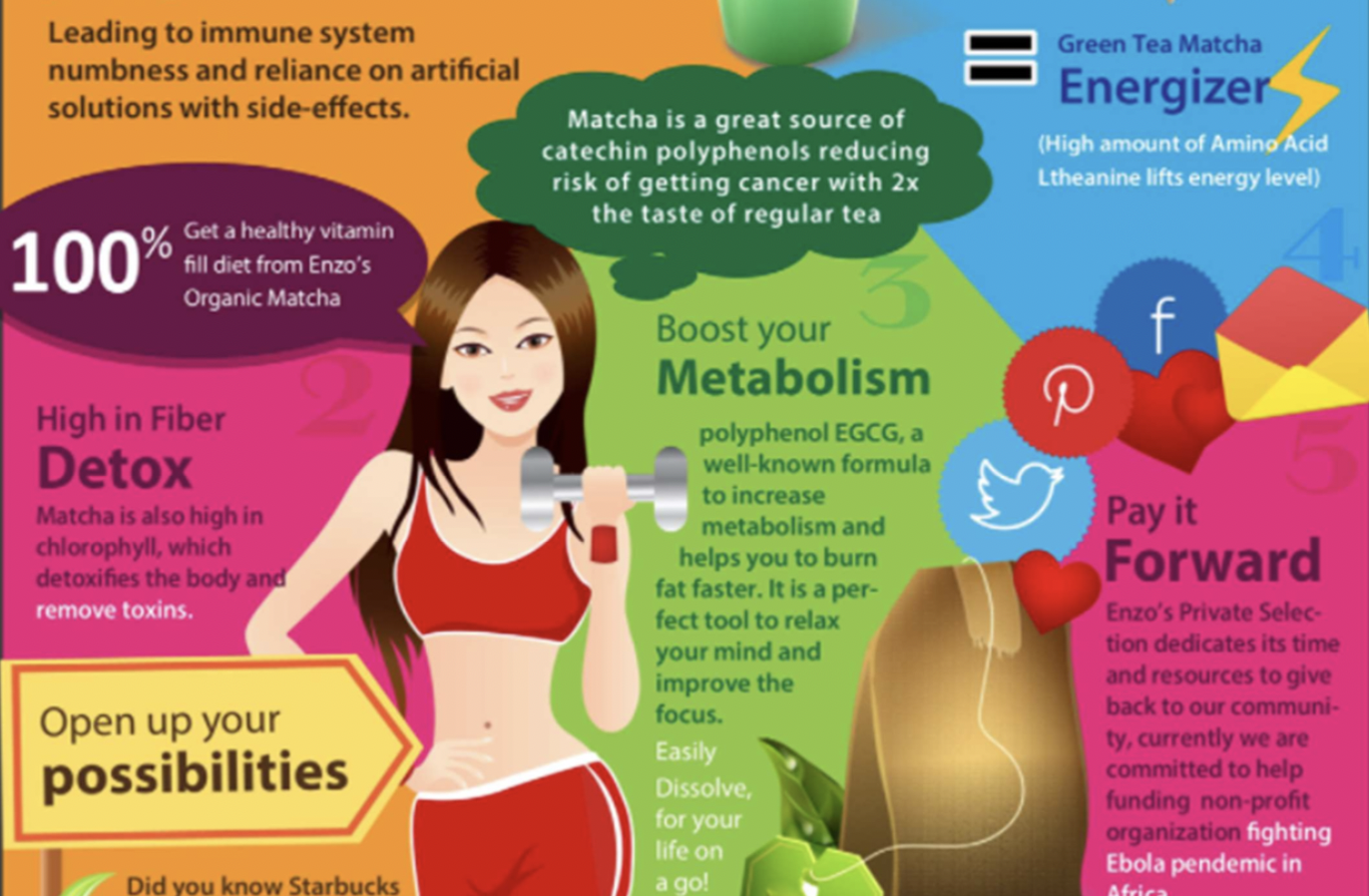
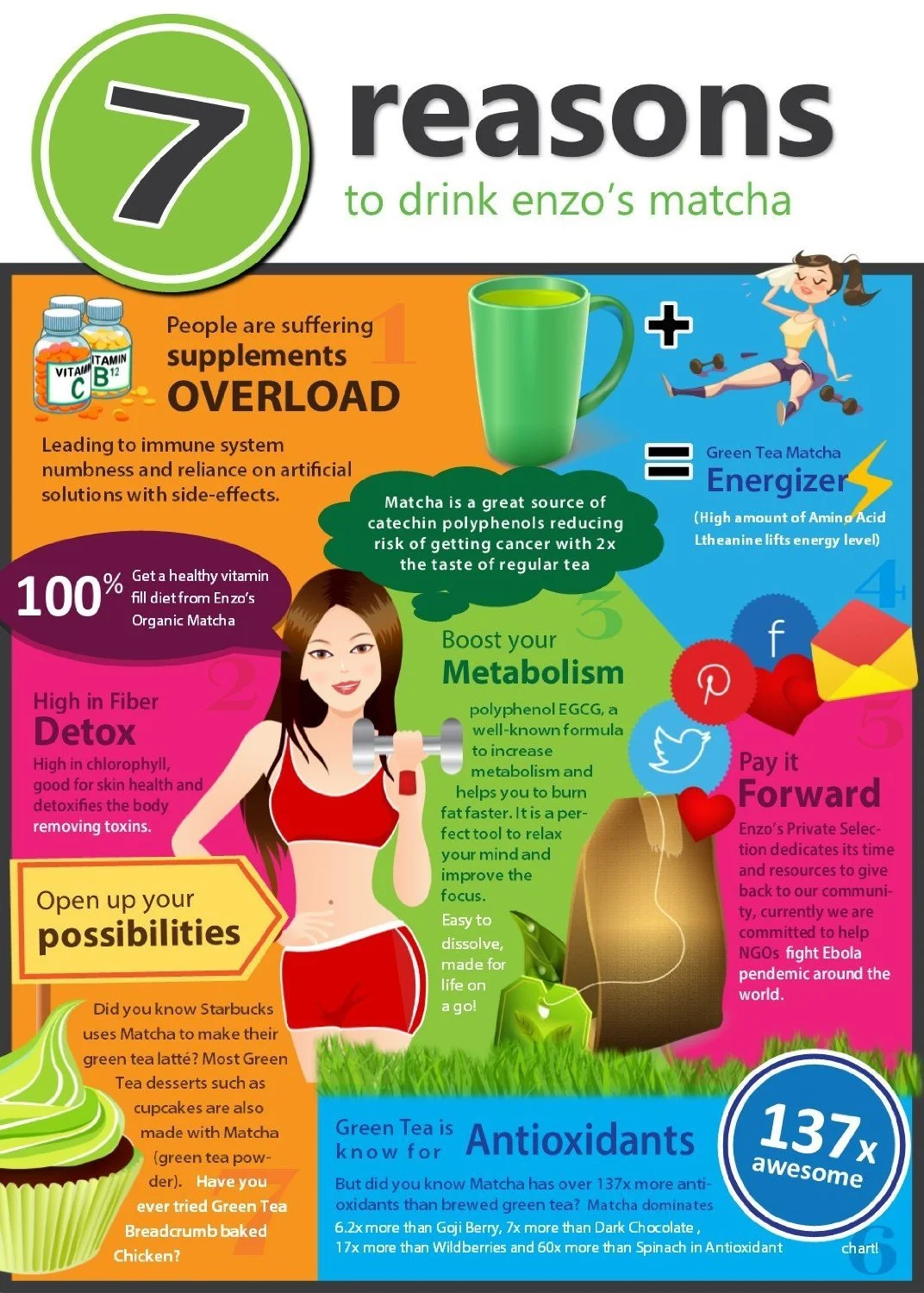
The complete infographic is provided at the end of this blog.
This Paper 1 response is based on an infographic from Enzo Matcha Tea, and it’s definitely longer than what you’d realistically be able to write in a 75-minute exam, but it gives you a clear and detailed example of the kinds of points you could include.
Evaluation
Your evaluation should go a step further than analysis. It should include [1] the impact on the reader, how the text shapes or reinforces their beliefs, values, or attitudes, as well as [2] the social commentary, meaning what the text suggests about society, culture, or modern issues more broadly. The evaluation is highlighted in the last two sentences of each body paragraph.
Essay Response
Context/Overview: This infographic advertisement addresses the health benefits and lifestyle appeal of drinking Enzo’s matcha. Target Audience: It is targeted at health-conscious consumers, specifically those who value fitness, natural remedies, productivity, and socially responsible brands. Purpose: Its purpose is to persuade the audience to purchase and drink Enzo’s matcha through arguments that it is a natural alternative to artificial supplements, that it improves physical health through energy, metabolism, and antioxidants, and that it aligns with ethical and trendy lifestyles. Techniques/Strategies: This aim is supported by bold statistics, scientific terminology, aspirational imagery of a fit woman exercising, bright green color symbolism associated with health and nature, and emotionally appealing phrases like “Pay it Forward.” Overall Message/Thesis: Ultimately, the message is that drinking Enzo’s matcha is not just a healthy choice, but a modern, ethical, and lifestyle-enhancing decision that leads to energy, vitality, and wellbeing.
Topic Sentence/Argument: The infographic frames matcha as a natural and superior alternative to artificial supplements by portraying modern health culture as excessively reliant on synthetic solutions. Evidence (Language) + Analysis: The heading “People are suffering supplements OVERLOAD” uses dramatic wording to create a problem that demands a solution, positioning matcha as the answer. Evidence (Language) + Analysis: The claim that artificial supplements lead to “reliance on artificial solutions with side-effects” creates fear around synthetic products, encouraging readers to see natural matcha as safer and healthier. Evidence (Language) + Analysis: Similarly, the phrase “100% full vitamin fill direct from Enzo’s Organic Matcha” suggests completeness and reliability, making matcha appear to be a sufficient replacement for pills. Evidence (Visual) + Analysis: The image of vitamin pill bottles contrasted with a natural green cup of matcha reinforces this message visually, presenting artificial pills as inferior to a wholesome, plant-based alternative. Impact on Target Audience: This strategy reinforces the target audience’s belief that natural products are healthier than artificial supplements and validates their suspicion of synthetic vitamins. Author’s Social Commentary/Underlying Message: At the same time, the author suggests that modern society is overly dependent on artificial health solutions and implies that returning to natural remedies is preferable.
The text also promotes matcha as a cleansing and purifying product by drawing on popular wellness language and natural imagery associated with detoxification. The subheading “High in Fiber Detox” uses bold, simplified wording to make the benefit clear and memorable. The statement that matcha is high in chlorophyll, “which detoxifies the body and removes toxins,” employs scientific-sounding language to increase credibility. The word “Detox” appears in large, bold font, visually emphasizing its importance and appeal. Bright green imagery, including grass and tea leaves, symbolizes cleansing and renewal, reinforcing the idea of purity. This appeals to consumers who value wellness trends and believe the body requires detoxification to stay healthy. In doing so, the author reflects modern wellness culture’s strong focus on purification and suggests that lifestyle products can solve bodily “toxins.”
Through scientific terminology and aspirational fitness imagery, the infographic further presents matcha as a tool for achieving ideal body standards and physical efficiency. The subheading “Boost your Metabolism” uses the verb “Boost” to imply fast and noticeable results. The reference to “polyphenol EGCG” that increases metabolism and helps burn fat faster adds authority, making the claim sound research-based. An image of a fit woman holding a dumbbell suggests that drinking matcha leads to physical fitness and attractiveness, while the energetic layout and bright colors reinforce ideas of activity and movement. This reinforces cultural values surrounding slimness, fitness, and productivity, aligning matcha with desirable body standards. The author thus reflects society’s obsession with weight loss and metabolic efficiency, implying that health products can contribute to achieving idealized body images.
Similarly, the advertisement links matcha to productivity and vitality, portraying it as essential for maintaining energy in a fast-paced lifestyle. The section titled “Green Tea Matcha Energy” directly associates the product with increased stamina. The claim that a “High amount of Amino Acid L-theanine lifts energy level” uses scientific language to strengthen credibility. A lightning bolt symbol beside the word “Energy” acts as a universal sign of power and vitality, while the image of a woman exercising or jumping visually demonstrates the promised energy boost. This appeals to busy individuals who equate energy with success and productivity. In doing so, the author reflects a society in which constant alertness and efficiency are highly valued and commodified.
The infographic also frames matcha as scientifically superior and nutritionally exceptional by emphasizing numerical data and comparisons to other “superfoods.” The statement “Green Tea is known for Antioxidants” builds on the already positive reputation of green tea. The statistic that matcha has “over 137x more antioxidants than brewed green tea” appears factual and precise, increasing its persuasive power. Comparisons to foods such as goji berries, dark chocolate, and spinach elevate matcha’s status within popular health culture. A large circular badge declaring “137x awesome” visually reinforces superiority and memorability. This approach persuades health-conscious consumers who value measurable, science-backed nutrition, while also reflecting society’s reliance on statistics and the growing “superfood” trend to define what is healthy.
By associating matcha with disease prevention, the infographic heightens its perceived importance. The claim that matcha contains “catechin polyphenols reducing risk of getting cancer” invokes a serious and emotionally charged issue, increasing the weight of the product’s benefits. The use of complex, scientific terminology lends an impression of medical legitimacy. A calm, green cloud-shaped text box softens the presentation, suggesting reassurance and trustworthiness. The comparison to regular tea, described as having “2x the taste,” positions matcha as both healthier and more enjoyable. This strategy appeals to fears about serious illness and promotes matcha as a preventative measure. In doing so, the author reflects society’s fear of disease and the tendency to seek protection through dietary choices.
The text also strengthens its persuasive appeal by aligning the product with ethical consumerism and corporate social responsibility. The section titled “Pay it Forward” uses emotionally resonant language that suggests generosity and goodwill. The explanation that Enzo’s Private Select gives back to the community builds a positive brand image. Mentioning funding for a non-profit organization fighting Ebola in Africa connects the product to a significant global issue, increasing emotional impact. Social media icons encourage sharing and community engagement, broadening the product’s appeal. This appeals to consumers who value social responsibility and want their purchases to feel morally meaningful. At the same time, the author reflects modern expectations that companies demonstrate visible social and ethical commitments.
Finally, by referencing popular brands and contemporary food trends, the infographic markets matcha as both fashionable and adaptable to modern lifestyles. Mentioning that Starbucks uses matcha in lattes increases credibility and trend appeal. References to matcha in desserts such as cupcakes demonstrate versatility beyond traditional tea. An image of a green cupcake with matcha frosting makes the product appear appealing and stylish. The modern layout, bright colors, and inclusion of social media icons further target a younger, trend-conscious audience. This reinforces the desire to follow trends and align with popular culture, while also reflecting how health products are marketed not only for their benefits but for the lifestyle identity they represent.
Conclusion – Overall Evaluation of Effectiveness: In conclusion, this text effectively persuades its audience to consider drinking and purchasing Enzo’s matcha through its use of bold statistics and vibrant, aspirational imagery, presenting matcha as a natural solution to modern health problems and a symbol of energy, success, and ethical living. Limitation / Critical Evaluation: However, its emphasis on simplifying complex health issues into purchasable solutions may dissuade some members of the target audience, particularly critical or socially aware consumers, who may feel that serious issues such as illness, “toxins,” and global crises are not appropriately addressed or ethically resolved through consumer products alone.