How to Evaluate in Paper 1: The “So What?” Skill
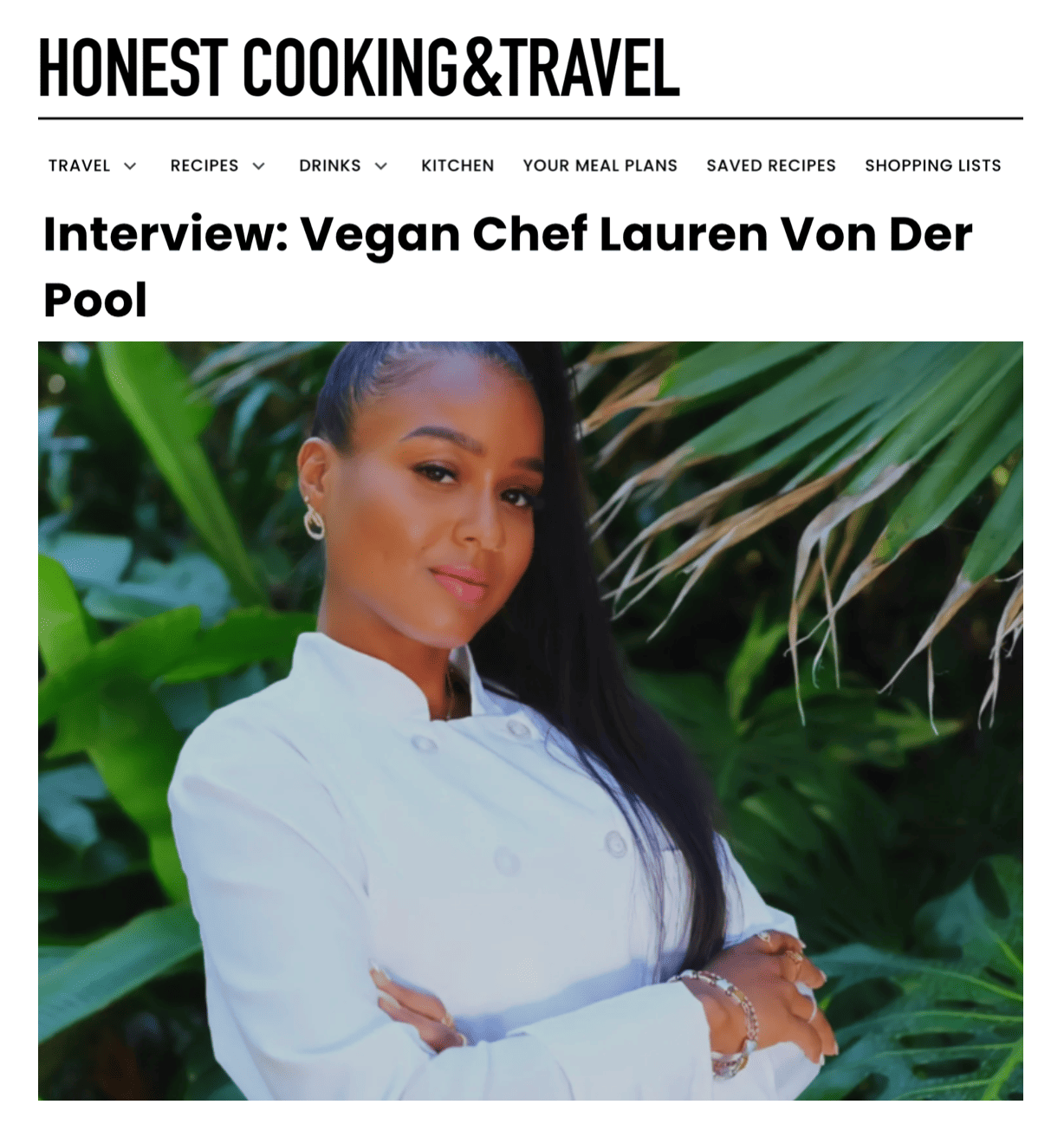
Read the article here.
What is evaluation?
In IBDP English A Paper 1, evaluation means explaining why a writer’s choice matters.
Analysis says: The white chef’s jacket suggests professionalism.
Evaluation goes further: This is effective because it makes the audience view the chef as credible and authoritative.
Where is it in a paragraph?
Evaluation can appear throughout your body paragraph. Whenever you explain why a writer’s choice is significant, how it affects the audience, or how it supports the writer’s purpose, you are evaluating.
The link, however, is one of the most effective places to make your evaluation clear. Rather than closing your body paragraphs by simply repeating your point, the link should evaluate the paragraph’s topic.
For example, if the paragraph topic is about professionalism, the link should evaluate how successfully the writer or image presents professionalism:
As a result, the image presents Von Der Pool as a credible professional whose authority is supported by both her uniform and confident body language.
By evaluating the topic, you explain why the writer’s choices are effective.
Why is it so important?
A strong evaluative sentence taps into the reader’s mindset. It asks how the writer’s choices guide the audience to think, feel or believe something. This is important because Paper 1 evaluation is not just about spotting techniques; it is about explaining how those techniques influence the audience and support the writer’s purpose.
What are some useful phrases?
Useful phrases include:
The writer’s choice is effective because...
The detail matters because...
As a result, the audience is encouraged to...
The technique reinforces the idea that...
Ultimately, the text presents...
The image positions the viewer to see...
The language encourages the reader to feel...
The effect is significant because...
The choice supports the writer’s purpose by...
The paragraph’s evidence shows that...
In short, evaluation is the “so what?” of your paragraph. It can appear throughout your analysis, but your link is a great place to bring that evaluation together by showing why the paragraph’s main idea matters.
Final Note
Notice how the conclusion ends with a comment on the power of media. This is another form of evaluation, one that evaluates the effects and limitations of the text type itself.
Guiding Question
— Discuss how different features are used in this text to create an impression of Von Der Pool’s journey as a chef.
Essay Response
The article uses a range of written, visual and structural features to create a powerful impression of Lauren Von Der Pool’s journey as a chef. Through the masthead, personal narrative, natural imagery, direct speech and photograph, it presents her journey as one shaped by credibility, transformation, creativity, success and purpose. Rather than portraying her simply as a vegan chef, the text constructs Von Der Pool as a resilient professional whose career grows out of personal healing and develops into public recognition, artistic innovation and moral influence.
This sense of personal healing is first established through emotive language and metaphor, which create an impression of Von Der Pool’s journey as one shaped by survival and transformation. The phrase “near death experience” immediately conveys danger and seriousness, suggesting that her move into plant-based food came from a moment of trauma rather than casual interest, which encourages the reader to view her journey with sympathy and respect. Similarly, the phrase “at the mere age of sixteen” creates sympathy by emphasising how young she was. The metaphor of removing “poison” from her life deepens this idea of transformation, suggesting that unhealthy food or habits were harmful and toxic. Together, the focus on survival and transformation presents vegan cooking as more than a dietary preference, instead showing it as a powerful part of Von Der Pool’s healing and personal renewal.
This focus on healing develops naturally into the article’s presentation of Von Der Pool’s journey as healthy, purposeful and professionally grounded through positive connotations, natural imagery and visual contrast. The phrase “nature’s bounty” has connotations of abundance, freshness and wellbeing, suggesting that plant-based food is generous and nourishing rather than restrictive. The verbs “feel, look, create and be better” also build a sense of improvement, implying that food changed every part of her life and encouraging the reader to see her plant-based journey as purposeful and transformative. This natural identity is reinforced by the main image, where she is photographed surrounded by large green leaves. The greenery visually links her to freshness, organic ingredients and plant-based living. At the same time, her white chef’s jacket suggests professionalism, cleanliness and authority. By presenting vegan cooking as both naturally nourishing and professionally credible, the article encourages readers to see it as meaningful, skilled and full of substance.
Once her plant-based identity has been established, the writer uses contrast, loaded language and visual imagery to present Von Der Pool’s journey as innovative by showing how she challenges stereotypes about vegan cooking. The phrase “dispelling the myth that vegan food is bland” presents her as fighting against a false and outdated belief that vegan cooking is not flavorful. The noun “myth” implies that this negative view of vegan food is inaccurate, while descriptions of her “beautiful creations” suggest artistry, colour and imagination challenge that stereotype. This impression is strengthened by the comparison between her dishes and “sculptures one may witness at the MET,” which makes her cooking sound carefully designed and museum-worthy. Through its artistic presentation of vegan food, the article undermines the perception that vegan cooking is boring and instead presents it as imaginative, refined and boundary-breaking.
This creativity is then linked to wider public success through proper nouns, cumulative listing and evaluative language, as the text creates an impression of Von Der Pool’s journey as highly successful by associating her career with prestige and public recognition. References to “the 2022 Met Gala,” “The Oscars,” “The Grammys,” “The Olympics” and “Wimbledon” convey glamour, status and elite achievement. By connecting Von Der Pool to these prestigious events, the writer positions her career as exceptional. The accumulation of these references makes her achievements seem wide-ranging and impressive, suggesting that her work is publicly recognised, having reached influential spaces. This choice reframes the perception that vegan cooking belongs outside mainstream fine dining by showing that it can succeed in prestigious, influential and high-status spaces.
Although these achievements establish her public profile, direct speech, metaphor and spiritual diction make Von Der Pool’s journey feel mission-driven. When she says, “I’m a multidisciplinary artist, author, and philanthropist,” the first-person pronoun “I” allows her to define herself directly, while the triplet presents her identity as broad and creative. Her phrase “a superhero here, on a special assignment” suggests that she sees her work as a mission. This is supported by words such as “love,” “harmony,” “devotion,” “creator” and “consciousness,” which suggest that her cooking is guided by compassion and belief, not just ambition. By presenting Von Der Pool’s journey as an ethical practice shaped by social responsibility, the article challenges the reader’s belief that vegan cooking is only about food.
Finally, this sense of purpose is projected into the future through future-focused language, listing and visual codes, which create an impression of Von Der Pool’s journey as confident, ongoing and still expanding. In the image, Von Der Pool’s direct gaze creates self-assurance, while her folded arms suggest control and authority. Her chef’s jacket visually confirms her professional status before the reader even engages fully with the article, implying that she is already established as a credible authority in the culinary world. The article then looks ahead through phrases such as “What’s next” and “overall expansion,” which create anticipation and suggest ambition. The list “pop-up dinners, my first food art exhibition, products, classes, offerings, and stage presence” shows that her journey is still developing in multiple directions. Ending with this sense of possibility challenges common assumptions that vegan cooking is restrictive by presenting it as expansive, ambitious and full of future potential.
Overall, the article’s most salient feature is its highly celebratory construction of Von Der Pool’s identity. It presents her journey as inspirational, transformative and purposeful, making her appear not only as a successful vegan chef but also as an artist, healer and role model. However, Von Der Pool’s challenges are largely absent. As a result, the article manages her identity in an idealised way, encouraging the audience to admire her but not necessarily to question or fully understand the difficulties behind her success, reflecting how media often simplifies successful figures into inspirational symbols, making achievement appear more effortless and individual than it may actually be.