Advertising Appeals

Advertising appeals are ways that advertisers connect their message to what their audience cares about. They tap into people’s feelings, hopes, worries, or identity so the ad feels more personal and convincing. Advertisers use them because when something feels relevant, we’re more likely to pay attention and respond.
Nostalgic Appeal

WHAT IT DOES
Evokes warm memories of the past to create an emotional connection.
EXAMPLE
A classic holiday-themed soft drink advertisement featuring a traditional Santa Claus illustration and vintage-style glass bottles, reminding viewers of old-fashioned holidays.
Scarcity Appeal
WHAT IT DOES
Suggests limited availability or a short window to act, triggering fear of missing out (FOMO).
EXAMPLE
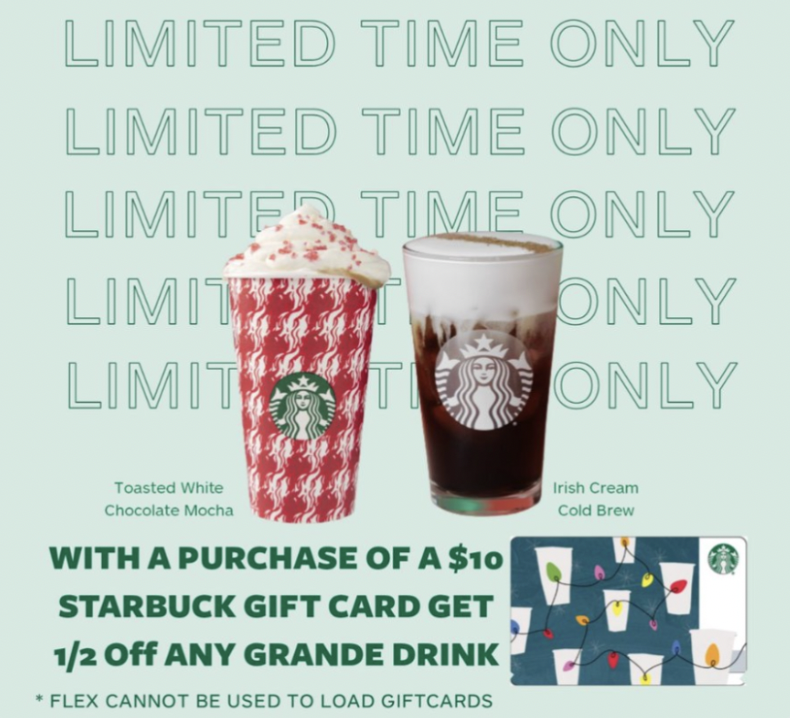
A promotion that repeats phrases like “Limited Time Only” and offers a temporary deal, such as receiving a discount on a drink when purchasing a gift card, encouraging viewers to buy.
Bandwagon Appeal

WHAT IT DOES
Implies that “everyone is doing it,” so you should too. It relies on conformity and social proof.
EXAMPLE
A community-wide Christmas donation campaign that encourages people to join others in giving gifts, suggesting that many members of the borough are already participating.
Endorsement Appeal

WHAT IT DOES
Uses real users, experts, or well‑known figures to build credibility and trust.
EXAMPLE
A Waitrose “The Perfect Gift” advertisement featuring recognizable actors showcasing a festive pie, as a recommended or “perfect” gift, implying their approval encourages viewers to trust and choose it.
Plain Folks Appeal

WHAT IT DOES
Presents the product or message as being for “ordinary people,” often using relatable characters or everyday settings.
EXAMPLE
A community‑focused holiday food appeal that encourages everyday people to donate small, affordable amounts, such as £5 or £10, showing that regular members of the community can easily participate and make a difference.
Patriotic Appeal

WHAT IT DOES
Taps into national pride or loyalty.
EXAMPLE
A vintage holiday advertisement encouraging people to support their country by purchasing war bonds, showing a family placing them in Christmas stockings to highlight doing one’s patriotic duty during the season.
Aspirational Appeal

WHAT IT DOES
Shows an idealized lifestyle that the consumer could achieve by using the product.
EXAMPLE
A festive chocolate ad that presents the treats as elegant, luxurious holiday ornaments, suggesting that by choosing this brand, your Christmas can feel more magical, refined, and special.
Guilt Appeal

WHAT IT DOES
Makes the audience feel responsible for a problem unless they take action. it stand out
EXAMPLE
A charity ad showing a child sitting in front of an empty plate beneath a banner that reads “Hungry Christmas,” using the child’s situation to make viewers feel compelled to donate and help prevent families from facing hunger during the holidays.
Curiosity Appeal

WHAT IT DOES
Teases information or poses a question to hook the viewer’s interest.
EXAMPLE
A playful holiday ad featuring a Santa‑like character eating a burger, prompting viewers to wonder what makes this particular burger special or surprising, and encouraging them to look closer or learn more.
Empowerment Appeal

WHAT IT DOES
Focuses on personal strength, agency, or self-expression, especially common in ads targeting marginalized or underrepresented groups.
EXAMPLE
A holiday charity ad urging viewers to “be the Santa you wished for” by giving children in rural communities access to education, empowering donors to feel that they can make a real difference in someone’s life.
SensoryAppeal

WHAT IT DOES
Stimulates the senses (sight, sound, smell, taste, touch) to make the product more vivid or desirable.
EXAMPLE
A festive baking ad displaying brightly colored, richly decorated holiday cookies arranged in an eye‑catching tower, using visual details like icing, sprinkles, and vibrant colors to spark cravings and evoke the smell and taste of fresh baked treats.
You might also be interested in these video appeals.