10 Creative Advertising Techniques Explored Through Ads and Art
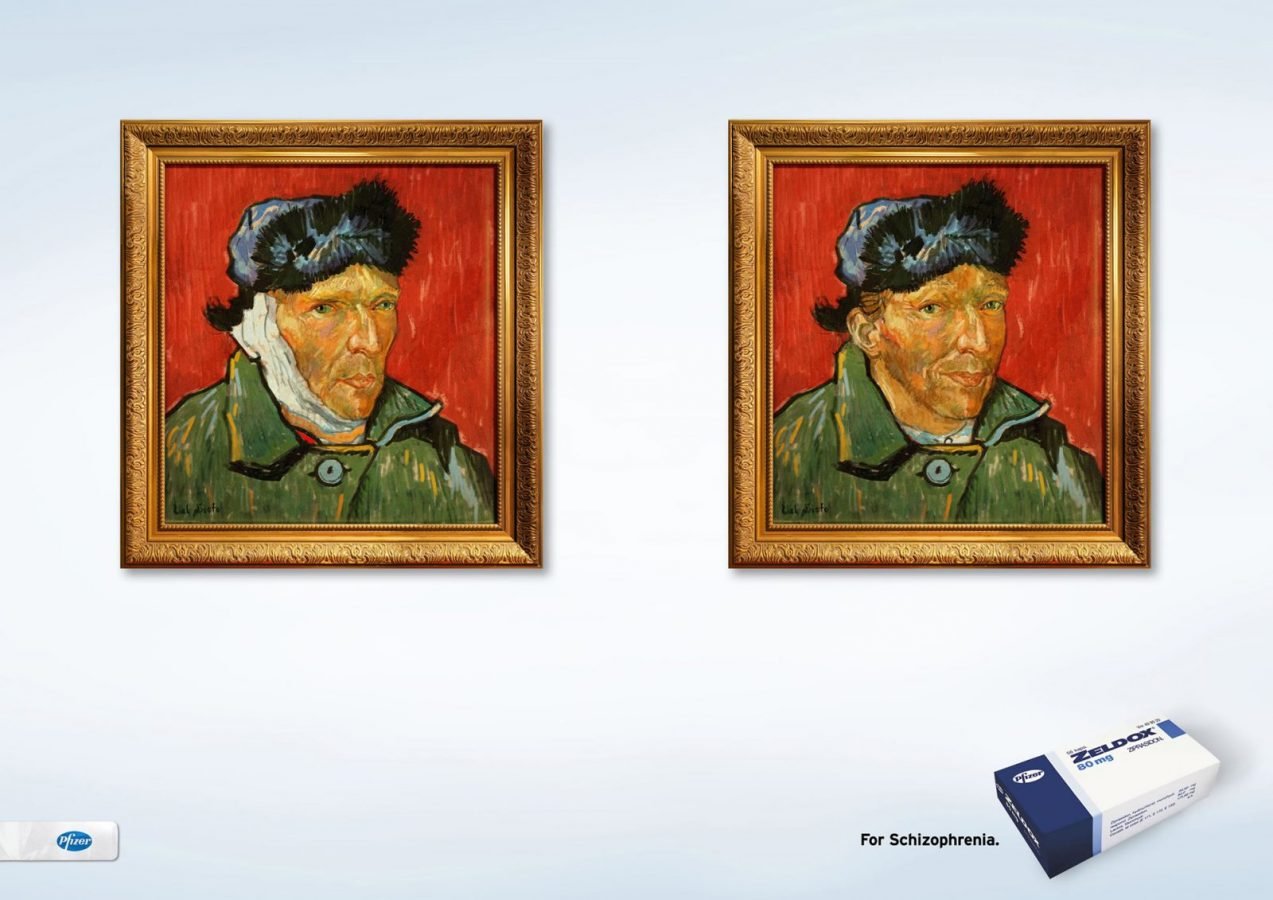
Advertising is all around us, constantly vying for our attention and shaping our perceptions. From catchy slogans to striking visuals, ads employ a variety of techniques designed to influence consumer behavior and create lasting impressions.
But what if I told you that these same strategies are also deeply rooted in the world of art? Just as advertisers craft messages to resonate with audiences, artists use similar methods in their paintings to evoke emotions and convey powerful narratives.
In this blog, we’ll explore ten effective advertising techniques and reveal how artists incorporate analogous strategies in their artwork. By the end, you'll see how the artistry of persuasion transcends mediums, enriching both the commercial and creative landscapes.
So, the next time you encounter an ad or a painting, take a moment to analyze the techniques at play and discover the fascinating connections between art and advertising.
1. Emotional Appeal

The Nike tagline, "Believe in something. Even if it means sacrificing everything," evokes strong emotions by encouraging viewers to reflect on their values and the sacrifices made for them. This inspirational message can stir feelings of empowerment and motivation.
Function: In advertising an emotional appeal aims to connect with the audience's feelings, evoking emotions such as happiness, sadness, or fear.
Effect: This technique can create a strong bond between the consumer and the brand, often leading to increased loyalty.
Can you spot the emotional appeal in Van Gogh’s “Starry Night”?

-
In Van Gogh’s “Starry Night”, the swirling sky, filled with vibrant colours, reflects the turmoil and chaos within the artist's mind, evoking feelings of anxiety and unrest. This emotional turbulence invites viewers to empathise with Van Gogh’s sense of isolation and existential angst.The serene village below contrasts sharply with the tumultuous heavens, emphasising the artist's internal conflict between peace and chaos. Through appeals to emotion, the painting effectively captivates viewers, highlighting the power of emotional resonance.
2. Bandwagon Effect

iPhone’s “Life is easier” ad implies that many people already use and enjoy the iPhone, suggesting that choosing this device is a widely accepted and popular decision. This creates a sense of social proof, encouraging potential buyers to join the crowd. Aside from the bandwagon effect, iPhone also uses testimonial as a technique.
Function: In advertising the bandwagon effect suggests that everyone is using a product, encouraging others to join in.
Effect: This creates a sense of urgency and social pressure, making consumers feel they might miss out if they don’t participate.
Can you spot the bandwagon effect in Steve Ludeman’s “I Love a Parade”?

-
Steve Ludeman’s “I Love a Parade” is a lively scene conveying a sense of excitement and community, inviting viewers to partake in the celebration. The overflowing bandwagon symbolises the joy of collective participation, suggesting that being part of such events is both enjoyable and fulfilling. By capturing the energy of the parade, the artwork encourages a desire to join in, reinforcing the idea that shared experiences enhance connection and happiness.
3. Testimonial

The declarative statement “My face cleared up in less than a week” reflects an individual's personal journey with a product or treatment, lending authenticity. Readers are often more persuaded by firsthand accounts than by general claims.
Function: In advertising testimonials use endorsements from satisfied customers to build credibility. When the endorsement is made by a celebrities, the ad technique is called celebrity endorsement.
Effect: This technique instils trust in the product by showing that real people or influential figures have had positive experiences. Read more here about why advertisers use testimonials.
Can you spot the visual testimonial in Frans Hals' painting "Family"?

-
In advertising, testimonials often feature endorsements that highlight positive experiences or qualities associated with a product or service. Similarly, Frans Hals' painting "Family" acts as a visual endorsement for the ideals of kinship and unity. The expressive faces and gestures of the subjects convey a sense of warmth and connection, effectively communicating the values of loyalty, togetherness, and familial pride.
4. Scarcity

The phrase implies that the content is limited to Netflix subscribers, which can create urgency. Consumers may feel compelled to subscribe quickly to avoid missing out on something unique. Take a look at these scarcity ads.
Function: In advertising scarcity emphasises limited availability, suggesting that a product won’t be around for long.
Effect: This technique creates urgency, prompting consumers to act quickly to avoid missing out.
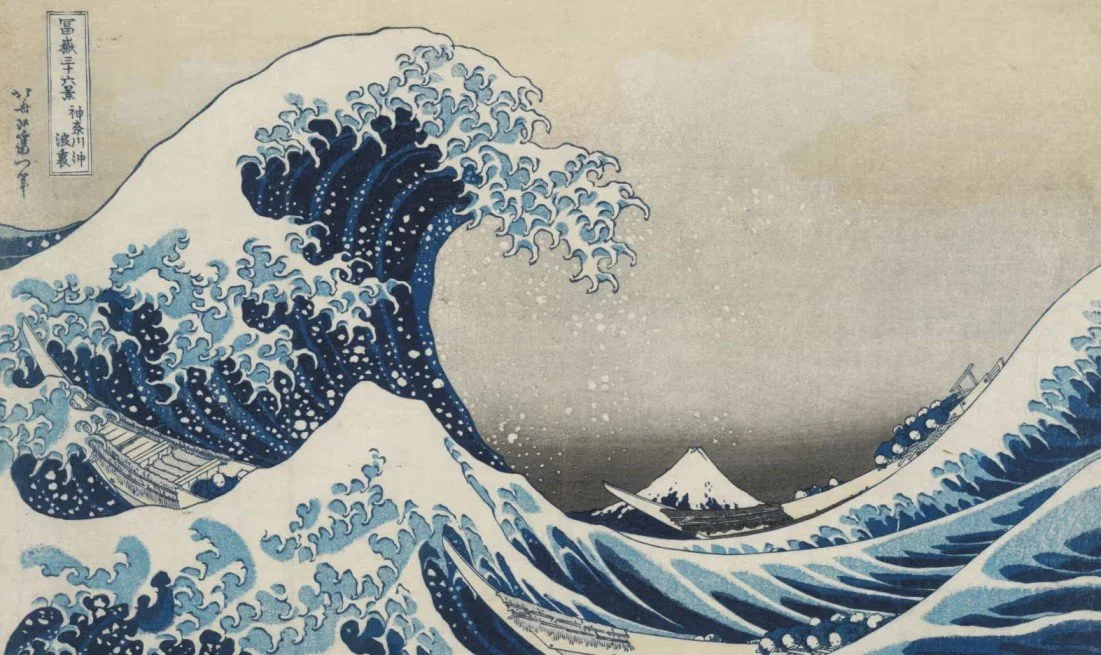
Can you spot the urgency in Katsushika Hokusai’s “The Great Wave”?
-
In Katsushika Hokusai’s “The Great Wave”, the wave in the foreground is depicted with powerful, sweeping lines that create a sense of motion and instability. This dynamic representation evokes feelings of impending danger, suggesting that the wave is about to crash down on the small boats beneath it. Moreover, the contrast between the massive wave and the tiny boats enhances the feeling of urgency. The boats, seemingly overwhelmed by the wave, highlight the vulnerability of the figures within them, creating a dramatic tension that urges viewers to consider the imminent threat. In addition, the sharp, claw-like tips of the waves enhances the wave's predatory power, making it appear more menacing and dynamic.
5. Repetition

The repetition of the Coca-Cola logo across different labels helps solidify brand recognition and recall among consumers. Displaying multiple bottles of Coca-Cola reinforces the brand's identity.
Function: In advertising repetition involves repeating words, phrases, or visuals to reinforce a message.
Effect: This technique makes the message more memorable and familiar, increasing the likelihood of consumer recall. Check out how clever this KitKat advertisement is at using repetition.
Can you spot the effect of repetition in Janice Gerwitz’s “In Burano”:

-
Janice Gerwitz’s “In Burano” effective use of repetition of shape and colour creates a sense of unity and harmony within the composition. The visual rhythm, drawing the viewer's eye across the canvas emphasises Burano's charm and vibrancy. The vibrant colours and rhythmic arrangement evoke warmth and familiarity, capturing Burano’s unique character, encouraging viewers to engage deeply and highlighting the abundance of delightful experiences worth exploring.
6. Humour

ut
Cows advocating for chicken consumption is an unlikely scenario, and the absurdity of the situation generates laughter as it challenges logical reasoning. This lightheartedness makes the brand more approachable and likable, fostering positive feelings among consumers.
Function: In advertising humour engages the audience and makes the advertisement enjoyable to watch.
Effect: Humorous ads create a positive association with the brand. Check out these funny ads.
Can you spot the effect of humour in Coolidge's "A Friend in Need"?

-
Coolidge's "A Friend in Need" depicting dogs playing poker exemplifies the advertising technique of humour through its playful portrayal of anthropomorphized animals engaged in a human activity. The dogs exhibit expressions and behaviours reminiscent of human camaraderie and competition. Humour in advertising fosters connection, and this painting invites laughter while highlighting themes of friendship and loyalty, encouraging viewers to reflect on the joy of companionship and the unexpected places where friendship can thrive.
7. Appeal to Authority

By featuring endorsements from dentists, the ad leverages the authority of dental professionals. Consumers are more likely to trust a product that is backed by experts in oral health, enhancing Colgate's credibility.
Function: In advertising this technique cites experts or studies to establish credibility. Like testimonials, when the endorsement is made by a celebrities, the ad technique is called celebrity endorsement.
Effect: By leveraging authority, brands can enhance trust and persuade consumers to believe in the effectiveness of their products.
Can you spot the appeal to authority in Chlebowski’s “Assembly at the Court of Peter the Great”?

-
Chlebowski’s “Assembly at the Court of Peter the Great”, depicting a significant historical event centred around the influential figure of Peter the Great, accentuates the emperor's commanding presence and the respect he commands from those around him. In advertising, appealing to authority leverages the credibility of a respected figure to endorse a product or idea. By highlighting Peter's leadership, the painting suggests that association with authoritative figures confers legitimacy, encouraging viewers to recognize the value of influence and leadership in shaping important events.
8. Visual Appeal

The Dissolving Bottle‘s vibrant colours and thoughtful composition makes the ad visually appealing. Bright, clean colours often associated with cleanliness enhance the overall message of freshness and hygiene.
Function: In advertising striking visuals grab attention quickly, making viewers more likely to notice the ad amidst a crowded media landscape.
Effect: Visually compelling ads are often more memorable. Unique and creative designs can stick in viewers' minds, leading to better brand recall when making purchasing decisions.
Can you spot the visual appeal in Ken Hong Leung's watercolour “Mountain Retreat”?

-
Ken Hong Leung's “Mountain Retreat” capture the viewer's attention with a harmonious blend of hues and intricate details, creating a sense of beauty and tranquillity. The fluidity of watercolour allows for soft transitions and dynamic textures, enhancing the emotional resonance of his subjects. In advertising, visual appeal draws consumers in, making them more likely to engage with the message. Leung’s art invites viewers to experience a world of colour and emotion, effectively communicating themes of nature and serenity, and leaving a lasting impression.
9. Slogan

Skittles’ slogan “touch the rainbow, taste the rainbow” engages multiple senses—visual (touch the rainbow) and taste (taste the rainbow). This dual sensory appeal makes the product more enticing, suggesting a fun and flavourful experience. The Skittles’ commercials use another technique—absurdity—with great comic effect!
Function: In advertising a catchy slogan encapsulates the brand's message in a memorable way. By the way, a brand’s slogan and tagline are not the same.
Effect: This technique enhances brand recall and identity, making it easier for consumers to remember the product.
Can you spot the visual slogan in Michelangelo's "The Creation of Adam"?

-
Michelangelo's "The Creation of Adam" captures the moment God extends his hand to Adam, symbolizing the spark of life and creativity. Just as a catchy slogan condenses a brand's essence into a memorable phrase, this iconic image encapsulates the essence of “divine inspiration”, inviting viewers to reflect on their own divine spark.Description text goes here
10. Comparison

iPhone’s comparison addresses common frustrations users have with Android devices, and by highlighting these pain points, the ad positions the iPhone as a more reliable choice.
Function: In advertising comparison highlights differences between products, often showing why one is superior to another.
Effect: This technique can help consumers make informed choices by illustrating advantages and benefits. Check out these iconic comparative advertisements.
Can you spot the comparison in Salvador Dalí’s "The Persistence of Memory"?

-
Salvador Dalí’s "The Persistence of Memory" exemplifies comparison through its juxtaposition of soft, melting clocks and a rigid, desolate landscape. The contrasting imagery highlights the fluidity of time against the starkness of reality, suggesting that time is subjective and not a fixed concept. The clocks, which typically represent structure and order, are rendered soft and distorted, emphasizing their vulnerability. This comparison invites viewers to reflect on the nature of time and memory, challenging conventional perceptions. By blending the surreal with the familiar, Dalí creates a thought-provoking dialogue between the elements, enhancing the painting's overall impact.
Just as artists employ various methods to evoke emotions and convey messages, advertisers harness similar strategies to shape consumer behavior. This awareness not only enhances your critical thinking skills but also empowers you to discern the underlying motives behind ads, allowing you to make more intentional choices in your purchasing decisions. So, whether it's a striking visual in a gallery or a clever slogan on social media, take a moment to appreciate the artistry of persuasion all around you.
Happy analysing!